Manage demand. Back up the building.
Demand management and backup storage for offices, shopping centres, hotels and campuses — clip peak-demand charges, ride through outages with lifts and servers online, and turn rooftop solar into round-the-clock power instead of weekend curtailment.
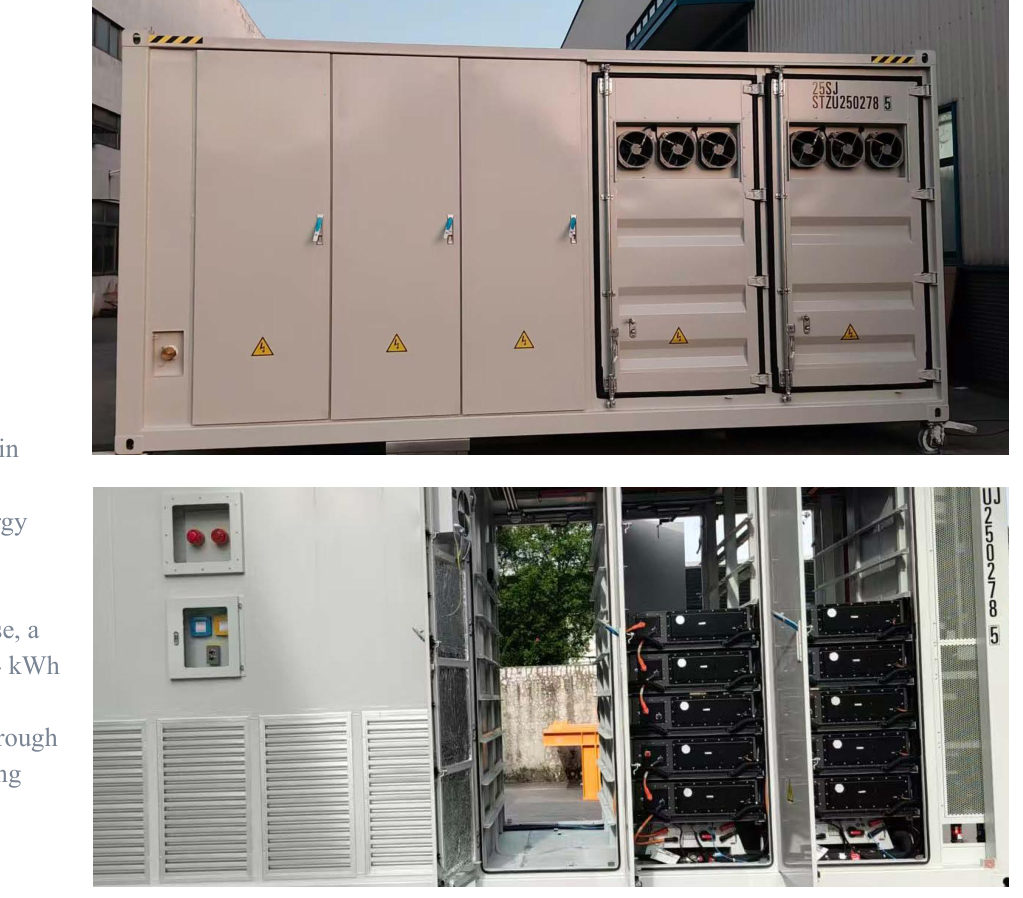
Why Buildings Overpay for Power
Commercial tariffs punish peaks and outages punish tenants — storage answers the bill line by line:
A 15-minute HVAC startup spike can set the month's maximum-demand charge. The PCS clips peaks at the meter, so the billed maximum stays where the facility manager decides.
Lifts, servers, tills and access control need power through every grid event. An STS transfers in under 10 ms on container systems — tenants notice nothing.
Offices generate when they're empty and buy when they're full. Storage time-shifts weekend and midday solar into weekday peaks, lifting self-consumption from ~30% toward 70%+.
Diesel in basements means emissions permits, fuel storage rules and noise complaints. Storage carries code-required backup loads cleanly; the genset shrinks to extended-event duty only.
Lifts, VFDs and LED drivers suffer from sags and poor power factor. A storage PCS provides reactive support and a stiff bus, reducing nuisance faults and maintenance calls.
AMS logs consumption, storage throughput and backup events per meter — the neutral data source for green leases, tenant re-billing and ESG reporting.
Match the Configuration to the Building
Three catalogue configurations cover most commercial loads — from a small office block to a campus or shopping centre. Custom designs quoted per site.
| Parameter | Office & Small Retail | Shopping Centre / Office Park ★ | Campus & Large Complex |
|---|---|---|---|
| Recommended system | AP-520/522/523 cabinet | AP-1567 container | AP-2089 / AP-H container |
| Rated energy | 520 – 523 kWh | 1,567 kWh | 2,089 – 3,793.92 kWh |
| Integrated PCS | 125 kW | 750 kW (375 + 375) | 1,000 kW |
| STS transfer | — | 1,200 kW · <10 ms | 1,200 / 1,320 kW · <10 ms |
| Typical duty | Peak shaving + critical circuits, 300–900 kWh/day | Demand clipping + outage ride-through, 1–3 MWh/day | Campus microgrid + PV integration, 3 MWh+/day |
| Enclosure | IP65 cabinet · outdoor pad or plant room | IP65 container · outdoor installation | IP65 container · 20GP (AP-H) |
| All configurations | Liquid-cooled LFP · aerosol + water-spray fire protection · AMS cloud control with >150 fault-diagnosis items · –25 ~ +55 °C · AC-coupled to existing PV and gensets | ||
Building-Ready Hardware, One Control Core
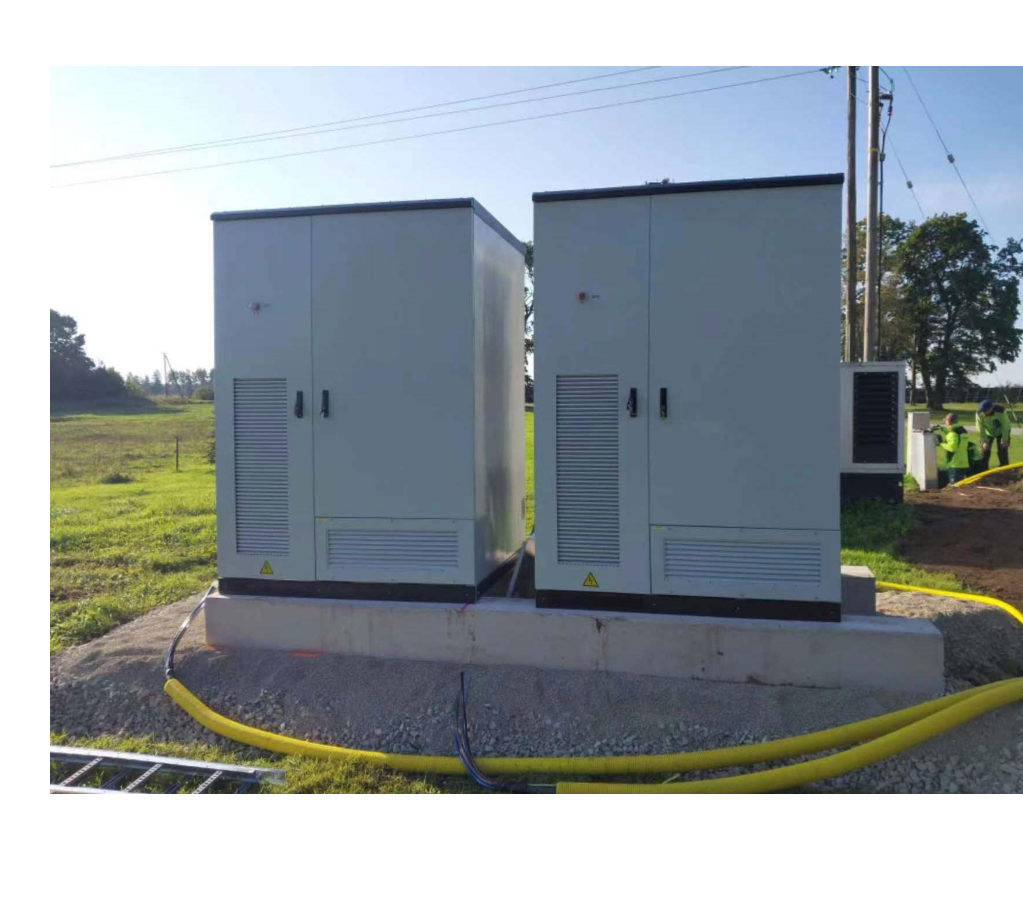
AP-520/522/523 Cabinet
| Rated energy | 520–523 kWh |
| AC power | 125 kW |
| Protection | ≥ IP65 |
| Footprint | 2000×1350 mm pad |
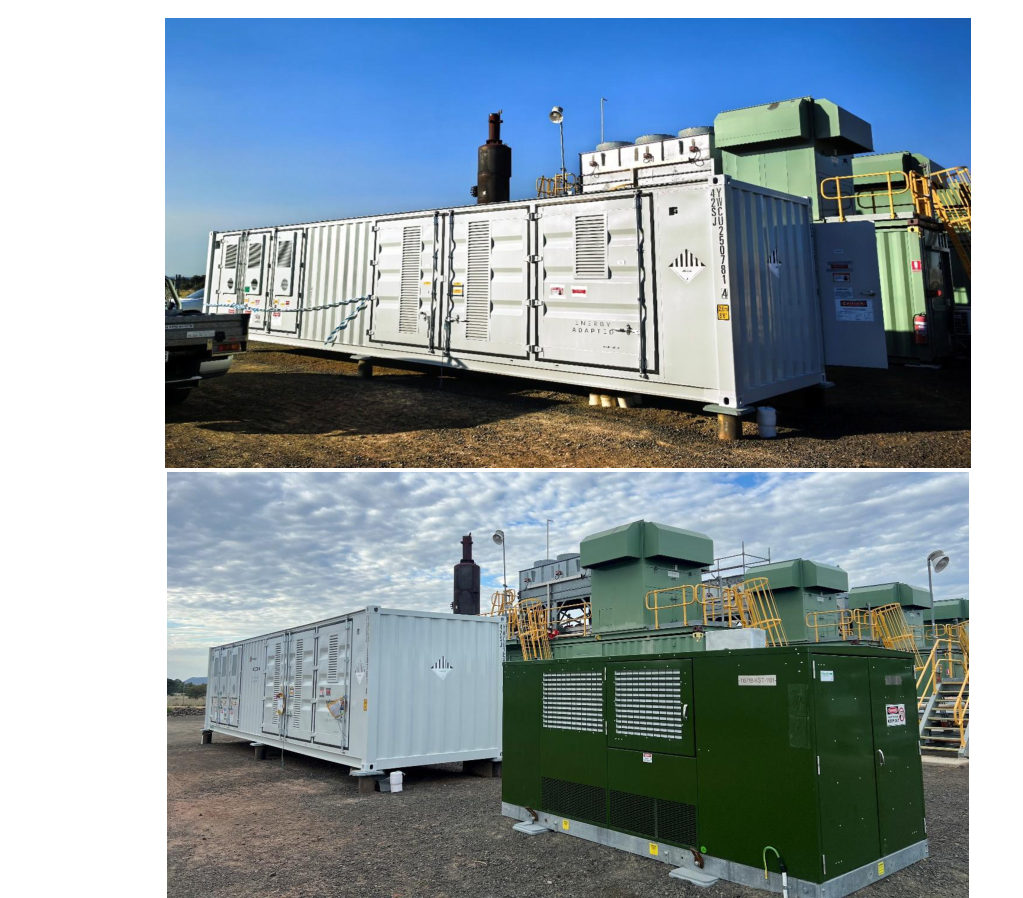
AP-1567 Container
| Rated energy | 1,567 kWh |
| Integrated PCS | 750 kW |
| STS | 1,200 kW · <10 ms |
| Protection | IP65 |
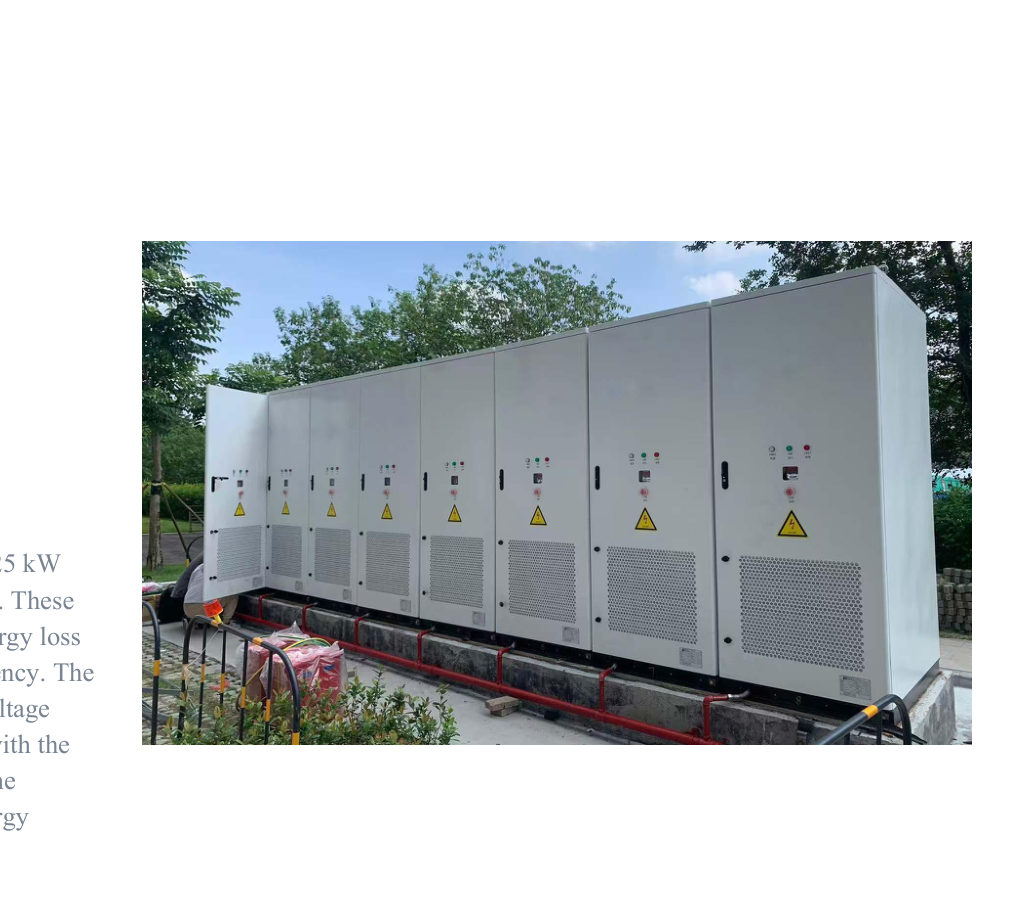
AP-2089 / AP-H Container
| Rated energy | 2,089 / 3,793.92 kWh |
| Integrated PCS | 1,000 kW |
| Form factor | 20 ft / 20GP ISO |
| Cycle life | ≥ 8,000 @ 25 °C |
Storage Working in Commercial Service
250 kW / 522 kWh peak shaving
500 kW / 1,044 kWh price arbitrage
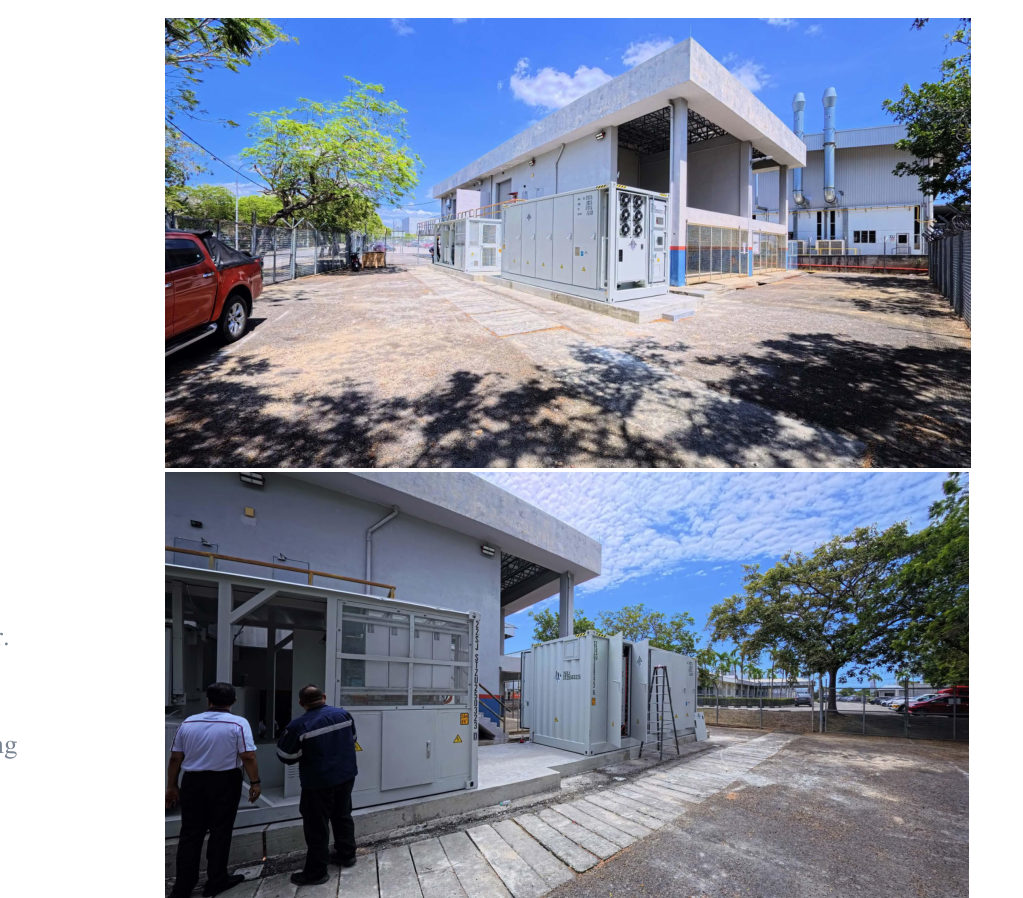
1.5 MW / 2.6 MWh cluster-managed ESS
Reference-site patterns show demand clipping and TOU arbitrage cutting commercial energy-plus-demand bills by 20–40%, with rooftop-PV self-consumption rising from ~30% toward 70%+ when storage is added. Payback typically lands inside 4–7 years on tariff savings alone — shorter where outage losses and diesel duty are priced in. These are industry-wide patterns, not ALEO POWER guarantees — every quotation includes a sized ROI worksheet built from your interval data and tariff schedule.
Commercial Building Energy Questions
How exactly does demand clipping lower our bill?
Will lifts and servers really ride through unnoticed?
We have a rooftop PV plant — do we need to change it?
Can tenants see their own energy data?
Is outdoor installation really acceptable for a commercial site?
Send us your interval data. We'll size the savings.
12 months of meter data and your tariff schedule in — a configured storage system with a sized savings worksheet returns within 1 business day.
Get a Quote — Reply Within 1 Business Day