Cut the diesel bill. Keep the mine running.
Storage-buffered gensets for mines, exploration camps and remote industrial sites — diesel runtime cut 50–80%, no low-load wet-stacking, proven at 3,600 m altitude and in dust-sealed, typhoon-prone enclosures.
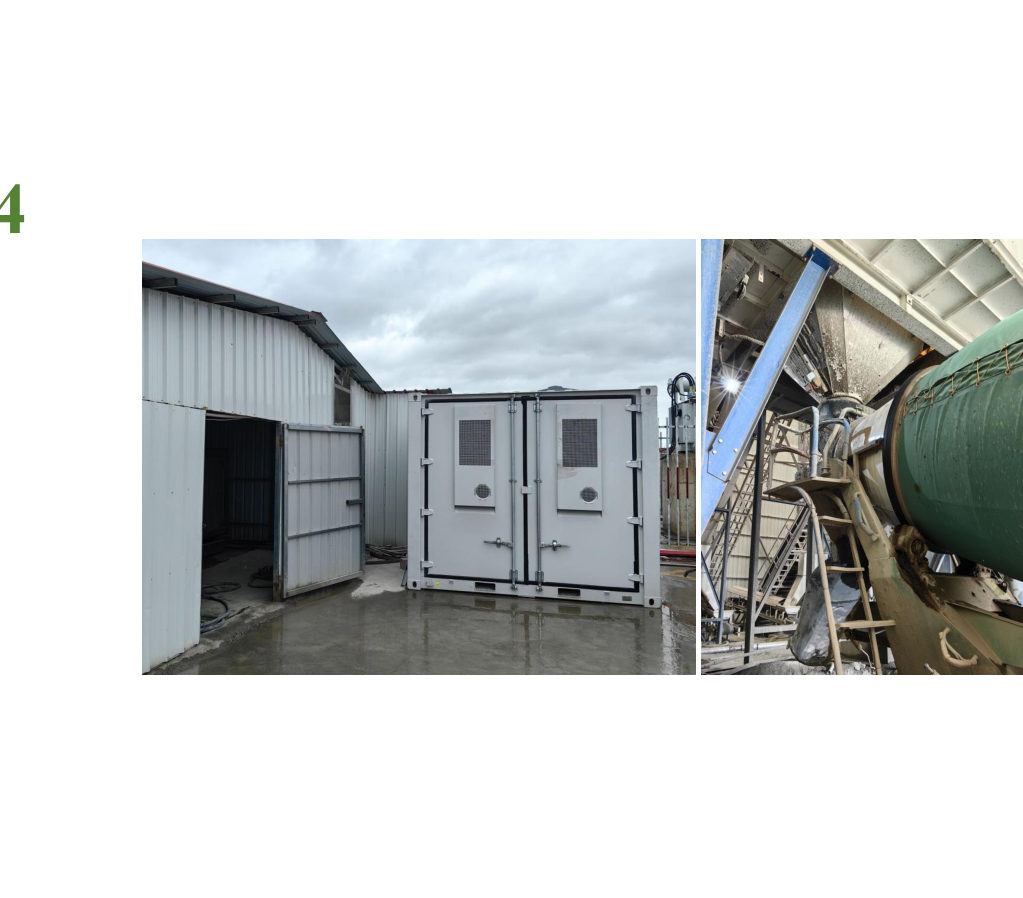
Why Remote Mines Overpay for Power
Fuel logistics, genset abuse and zero service coverage — remote power fails in predictable, expensive ways:
Diesel trucked or flown to site costs 2–4× the pump price. Every litre saved is pure margin — and storage is how you save it.
Gensets idling at 20–30% load glaze cylinder bores and burn injectors. Storage buffers the load so gensets always run in their optimal band.
IP65-sealed, liquid-cooled cabinets are engineered for dusty, high-altitude sites — validated at 3,600 m in western China.
Every system ships with AMS remote monitoring and >150 diagnosed fault items — your site crew fixes what our engineers see first.
Add PV later without redesign: AC-coupled storage absorbs solar transients and dispatches the genset only when both sources run dry.
Storage covers night loads silently — <75 dB cabinets have replaced overnight gensets at noise-sensitive Australian and Hong Kong sites.
Match the Configuration to Camp Size
Three catalogue configurations cover most mine-site loads — from an exploration camp to a processing plant. Custom cluster designs quoted per site.
| Parameter | Exploration Camp | Mid-Size Mine ★ | Processing Plant |
|---|---|---|---|
| Recommended system | AP-520/522/523 cabinet | AP-1567 container | AP-2089 / AP-H container |
| Rated energy | 520 – 523 kWh | 1,567 kWh | 2,089 – 3,793.92 kWh |
| Integrated PCS | 125 kW | 750 kW (375 + 375) | 1,000 kW |
| STS transfer | — | 1,200 kW · <10 ms | 1,200 / 1,320 kW · <10 ms |
| Typical load covered | Camp + workshop, 300–900 kWh/day | Mine offices + plant auxiliaries, 1–3 MWh/day | Crushing / milling support, 3 MWh+/day |
| Enclosure | IP65 cabinet · outdoor pad | IP65 container · 6058×2438×2896 mm | IP65 container · 20GP (AP-H) |
| All configurations | Liquid-cooled LFP · aerosol + water-spray fire protection · AMS cloud control with >150 fault-diagnosis items · –25 ~ +55 °C · altitude derating above 3,000 m | ||
Built for the Bush, Not the Lab
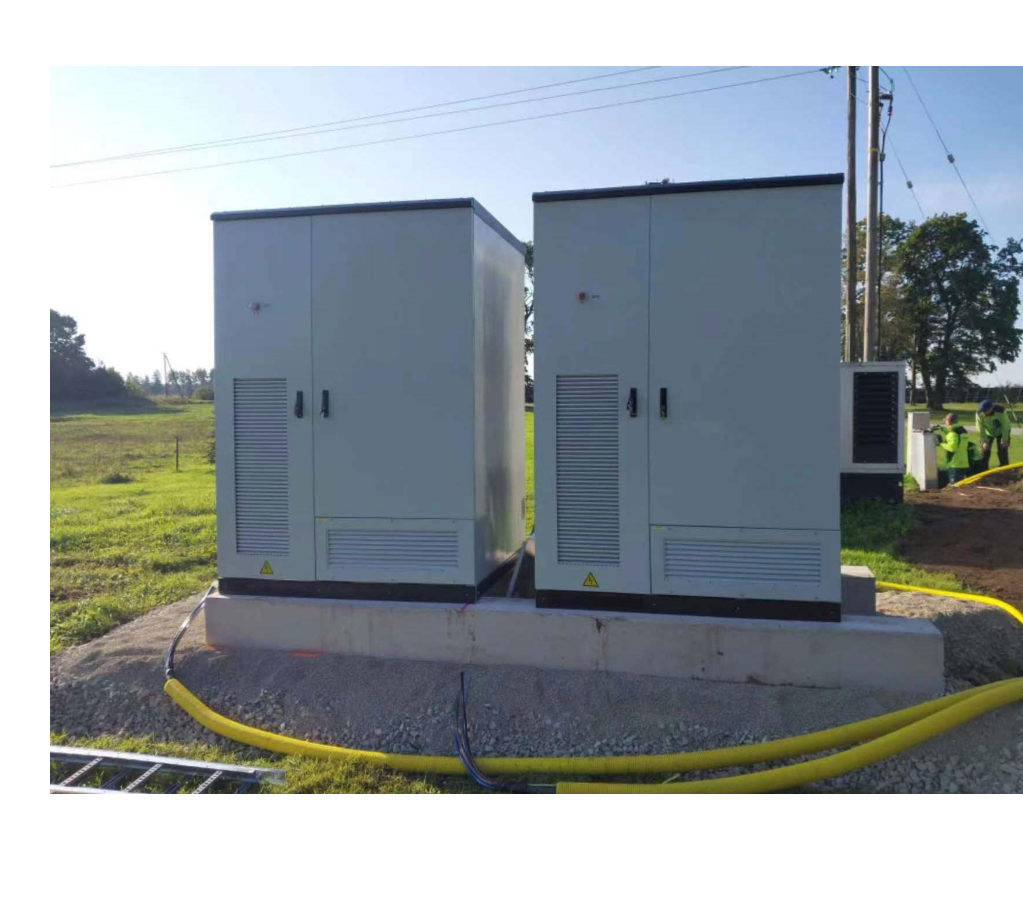
AP-520/522/523 Cabinet
| Rated energy | 520–523 kWh |
| AC power | 125 kW |
| Protection | ≥ IP65 |
| Footprint | 2000×1350 mm pad |
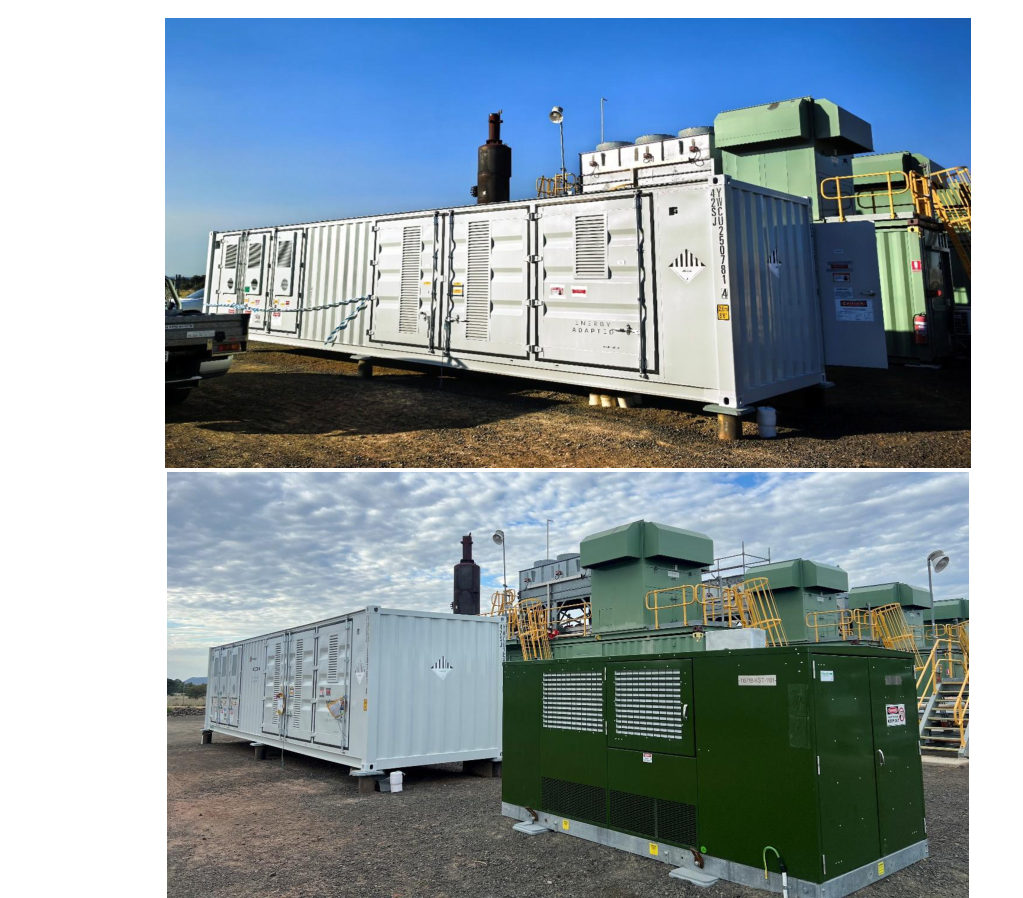
AP-1567 Container
| Rated energy | 1,567 kWh |
| Integrated PCS | 750 kW |
| STS | 1,200 kW · <10 ms |
| Protection | IP65 |
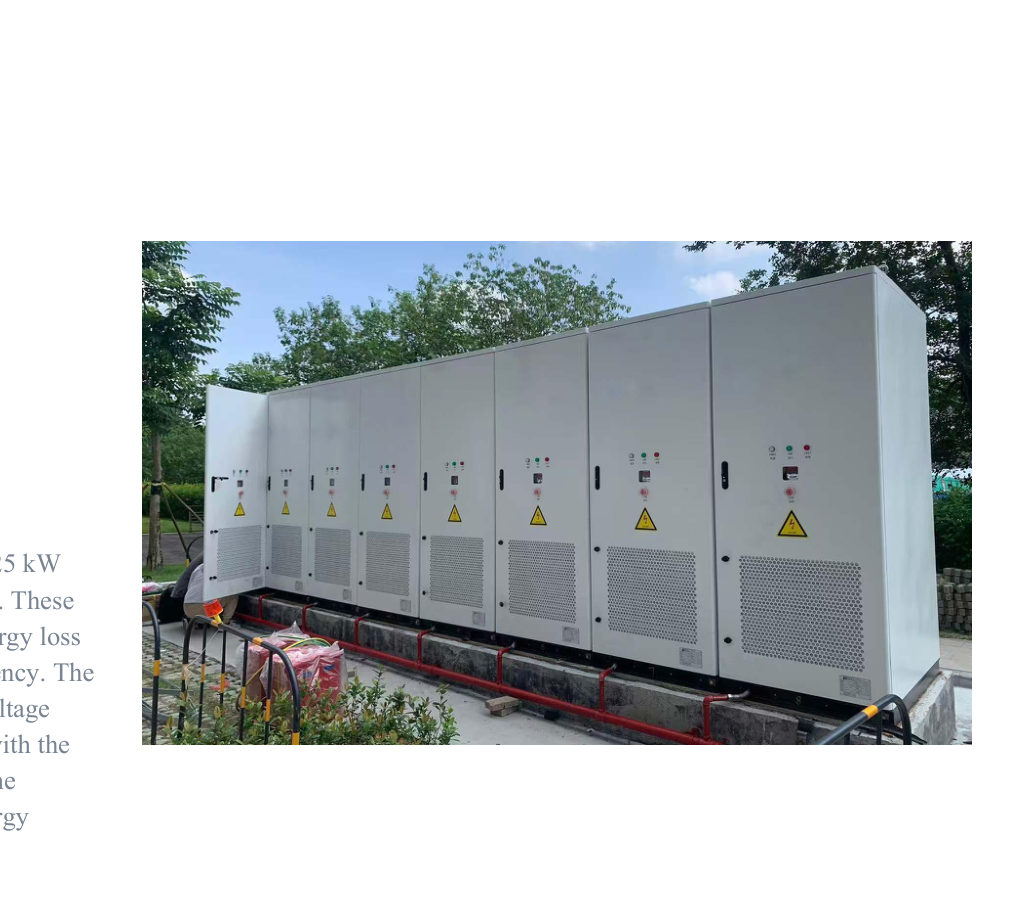
AP-2089 / AP-H Container
| Rated energy | 2,089 / 3,793.92 kWh |
| Integrated PCS | 1,000 kW |
| Form factor | 20 ft / 20GP ISO |
| Cycle life | ≥ 8,000 @ 25 °C |
Reference Plants in Real Mine Conditions
400 kW / 430 kWh at 3,600 m
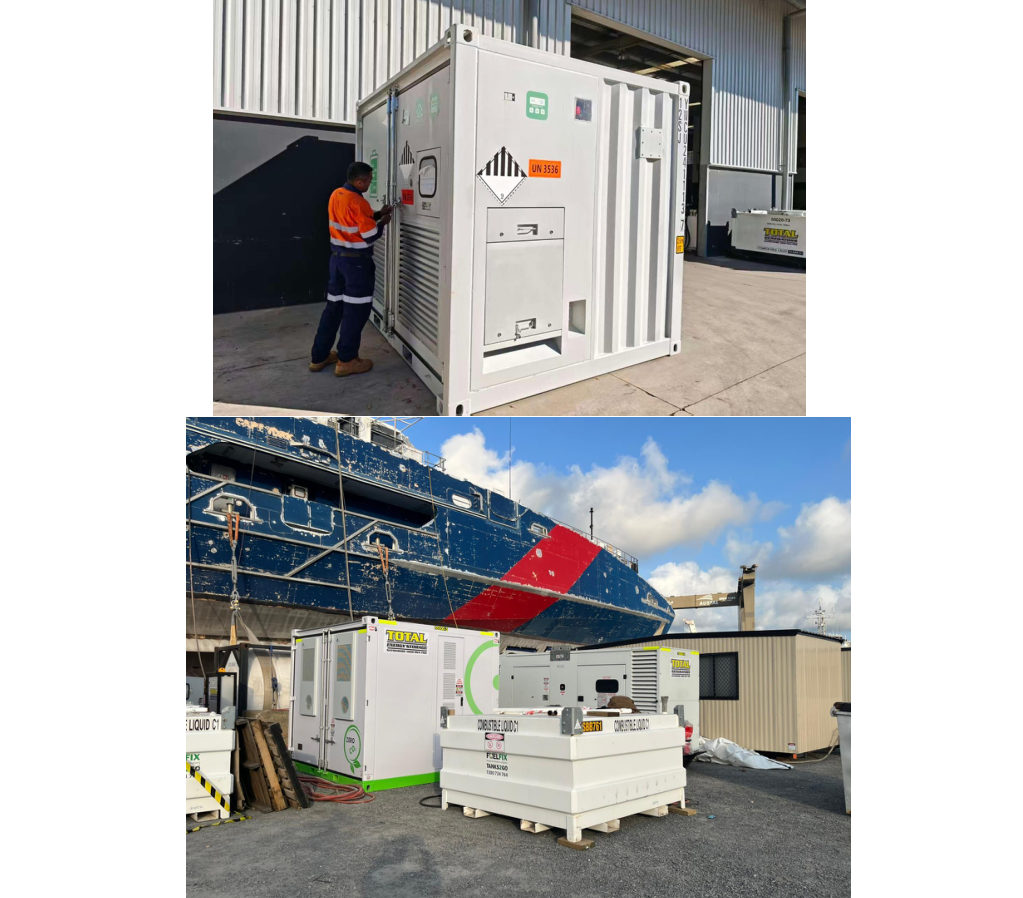
500 kW / 430 kWh, wet site
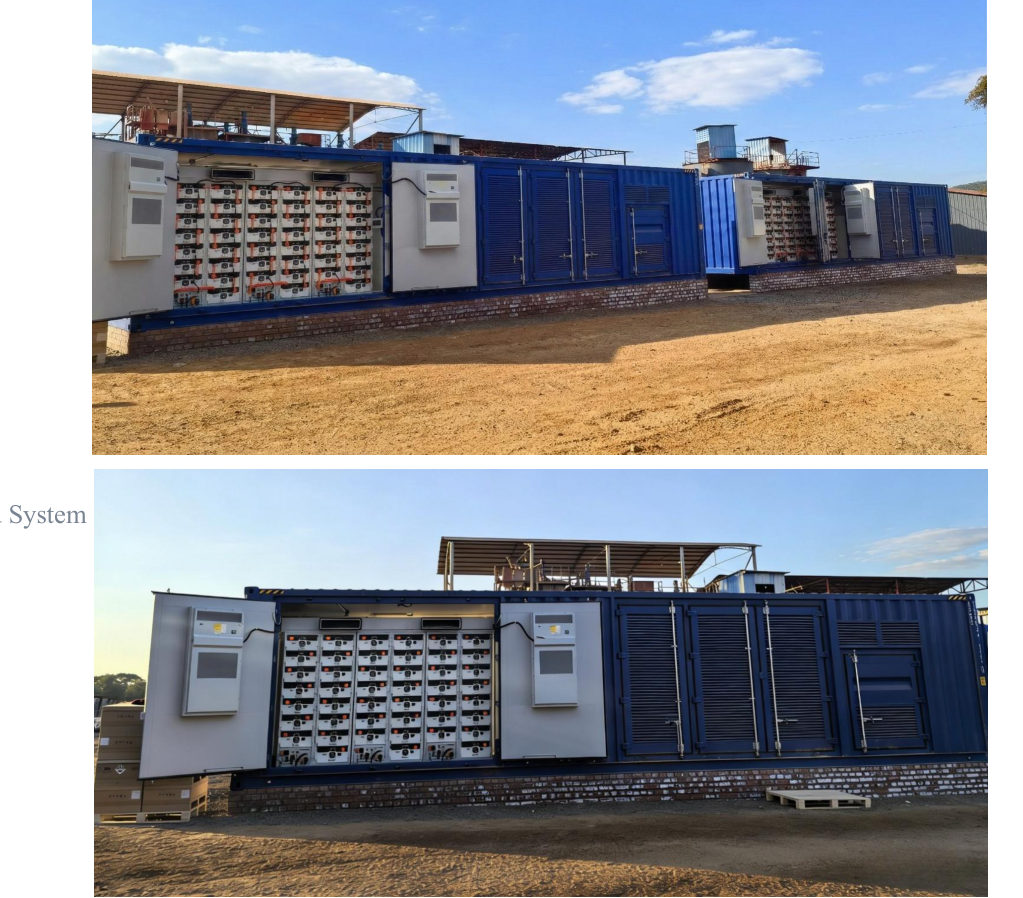
1.5 MW / 2.58 MWh microgrid
Reference-site patterns show diesel spend falling 50–80% when storage carries night and transient loads, with genset runtime dropping from ~3,650 h to under 900 h per year — extending overhaul intervals and cutting fuel logistics proportionally. Payback typically lands inside 18–36 months at remote fuel prices. These are industry-wide patterns, not ALEO POWER guarantees — every quotation includes a sized ROI worksheet built from your load profile, fuel invoices and solar resource.
Mining & Remote Site Questions
How does storage actually reduce diesel consumption?
Will the system survive dust, heat and altitude?
Can we add solar panels later without redesigning?
What happens when something fails 1,000 km from a technician?
How fast can a remote site be energized?
Send us your load profile. We'll size the plant.
Interval data, fuel invoices and site conditions in — a configured system with a sized diesel-savings worksheet returns within 1 business day.
Get a Quote — Reply Within 1 Business Day