Reliable power, whatever the grid forgot.
Off-grid and weak-grid microgrids for villages, islands, clinics and remote settlements — PV + BESS + diesel engineered as one plant, monitored 24/7 from the AMS cloud, and modular so the system grows with the community.
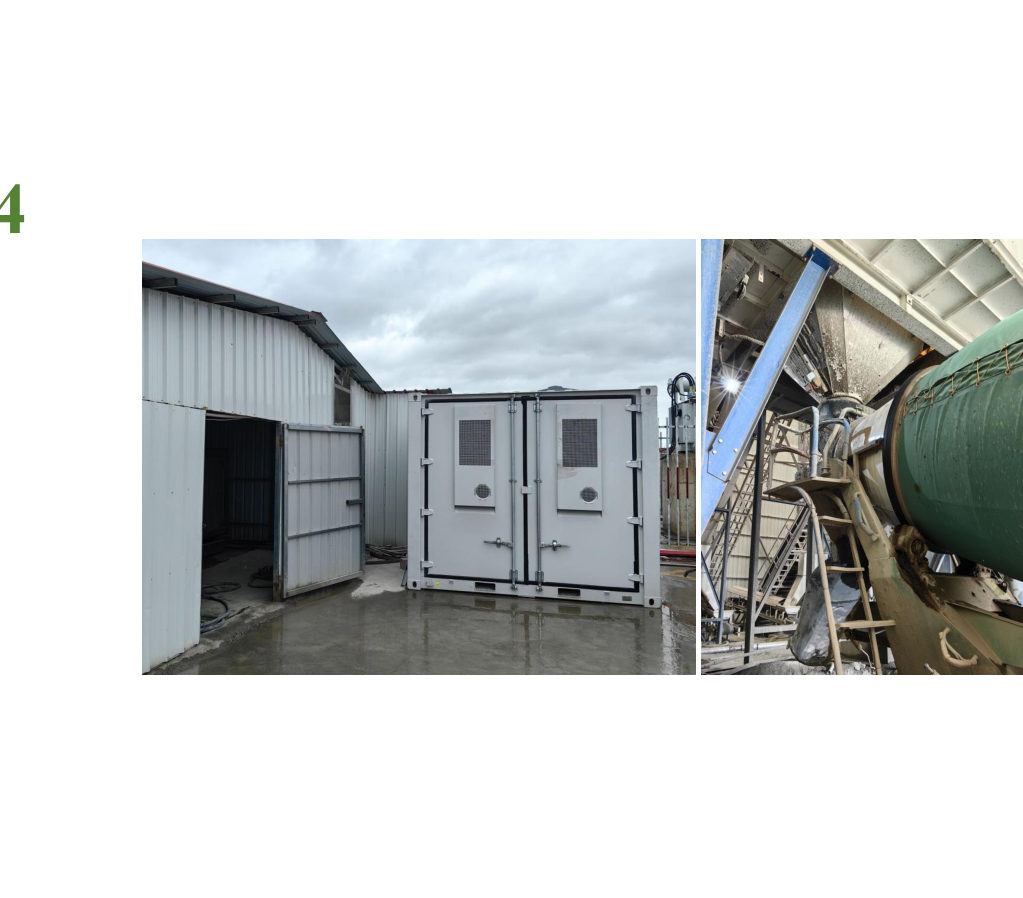
Why Community Power Projects Struggle
Remote electrification fails on fuel logistics, maintenance access and unmonitored equipment — three problems a hybrid microgrid is built to remove:
Fuel for remote settlements costs 2–4× pump price once trucking, ferries or air freight are counted. Solar plus storage displaces 50–80% of it — reference sites run diesel as backup only.
A weak or intermittent grid is often worse than none. The microgrid forms a stable local grid of its own, with the utility or genset as a supporting source — not the other way around.
Community projects fail on silent faults, not hardware. AMS watches every site 24/7 with >150 diagnosed fault items, alerting operators before service degrades.
Liquid-cooled LFP with ≥ 8,000 cycles removes routine battery care from the equation, and most faults resolve remotely — quarterly preventive visits instead of permanent on-site crews.
Cold storage, welding shops and phone-charging kiosks appear within months of electrification. The microgrid is modular — add PV blocks and BESS containers to the same AMS bus as demand grows.
IPP, donor and community-trust finance needs bankable operating data. AMS production logs give every stakeholder metered proof of uptime, energy delivered and diesel displaced.
Match the Configuration to the Community
Three catalogue configurations cover community loads — from a village and clinic to a regional mini-grid. Socio-economic load forecasts refined during the free assessment.
| Parameter | Village & Clinic | Town & Island Community ★ | Regional Mini-Grid |
|---|---|---|---|
| Recommended system | AP-520/522/523 cabinet | AP-1567 container | AP-2089 / AP-H container |
| Rated energy | 520 – 523 kWh | 1,567 kWh | 2,089 – 3,793.92 kWh |
| Integrated PCS | 125 kW | 750 kW (375 + 375) | 1,000 kW |
| STS transfer | — | 1,200 kW · <10 ms | 1,200 / 1,320 kW · <10 ms |
| Typical duty | Clinic + households, silent night operation | Community microgrid, PV-first dispatch, genset backup | Regional mini-grid, multi-source, 3 MWh+/day |
| Enclosure | IP65 cabinet · outdoor pad | IP65 container · 6058×2438×2896 mm | IP65 container · 20GP (AP-H) |
| All configurations | Liquid-cooled LFP · aerosol + water-spray fire protection · AMS cloud control with >150 fault-diagnosis items · –25 ~ +55 °C · PV and diesel AC-coupled, genset backup-only dispatch | ||
Community-Scale Hardware, One Control Core
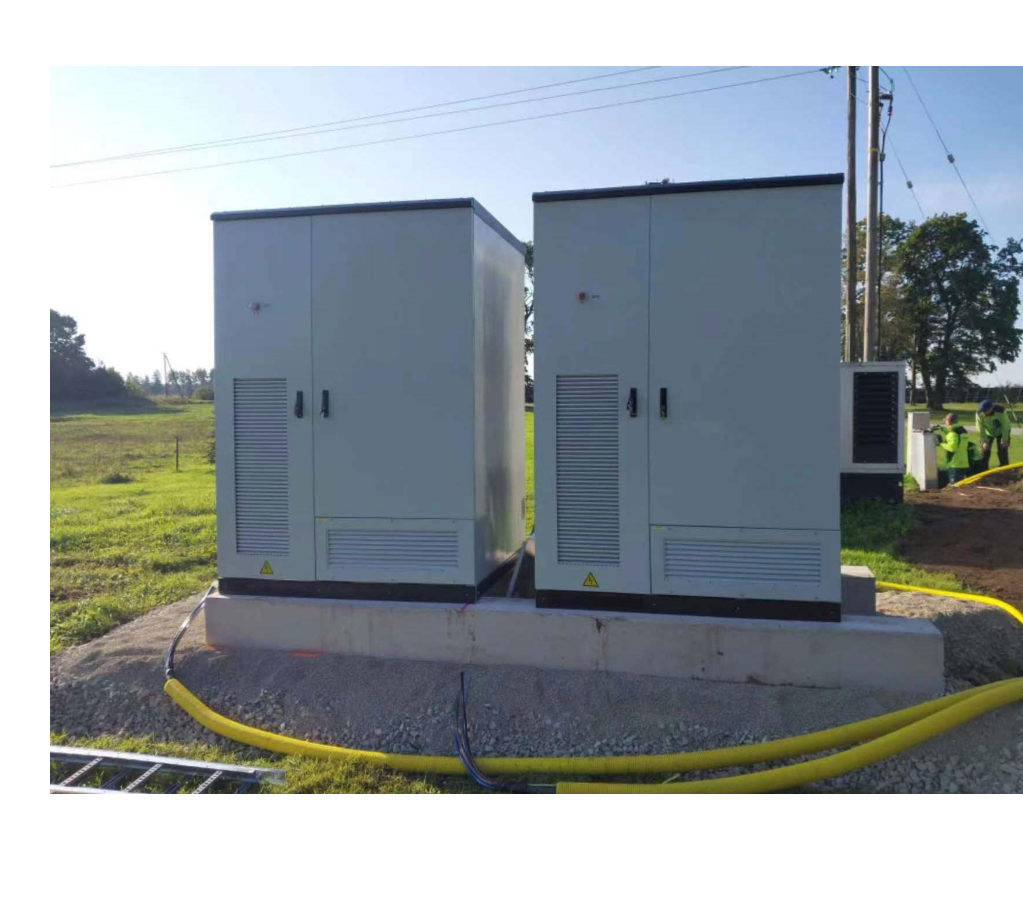
AP-520/522/523 Cabinet
| Rated energy | 520–523 kWh |
| AC power | 125 kW |
| Protection | ≥ IP65 |
| Footprint | 2000×1350 mm pad |
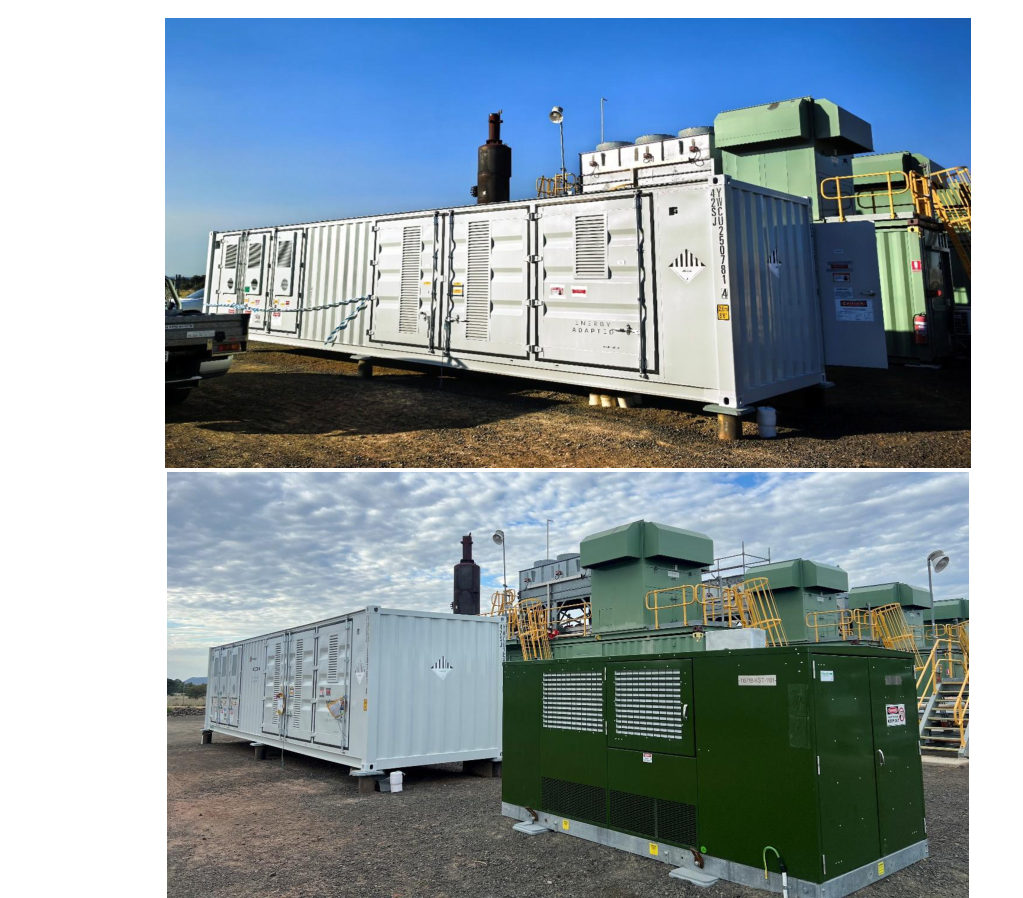
AP-1567 Container
| Rated energy | 1,567 kWh |
| Integrated PCS | 750 kW |
| STS | 1,200 kW · <10 ms |
| Protection | IP65 |
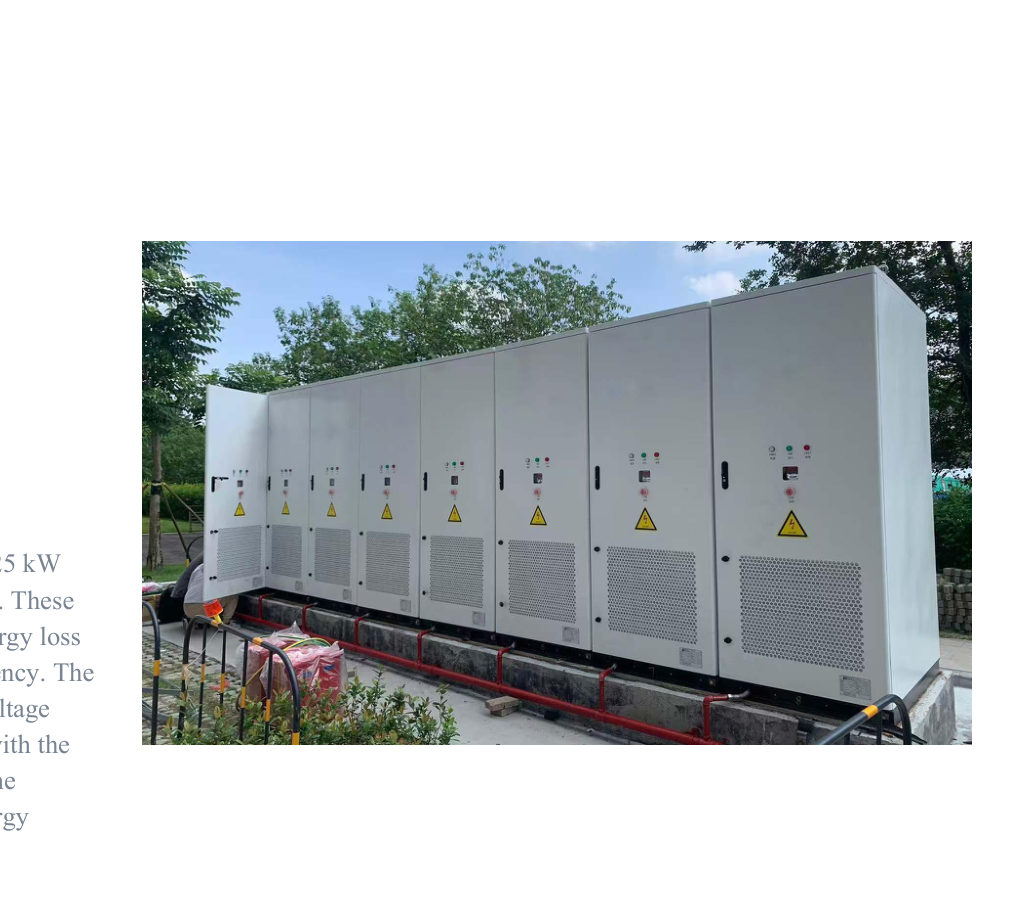
AP-2089 / AP-H Container
| Rated energy | 2,089 / 3,793.92 kWh |
| Integrated PCS | 1,000 kW |
| Form factor | 20 ft / 20GP ISO |
| Cycle life | ≥ 8,000 @ 25 °C |
Microgrids Already Serving Communities
1.5 MW / 2.58 MWh PV-ESS-DG microgrid
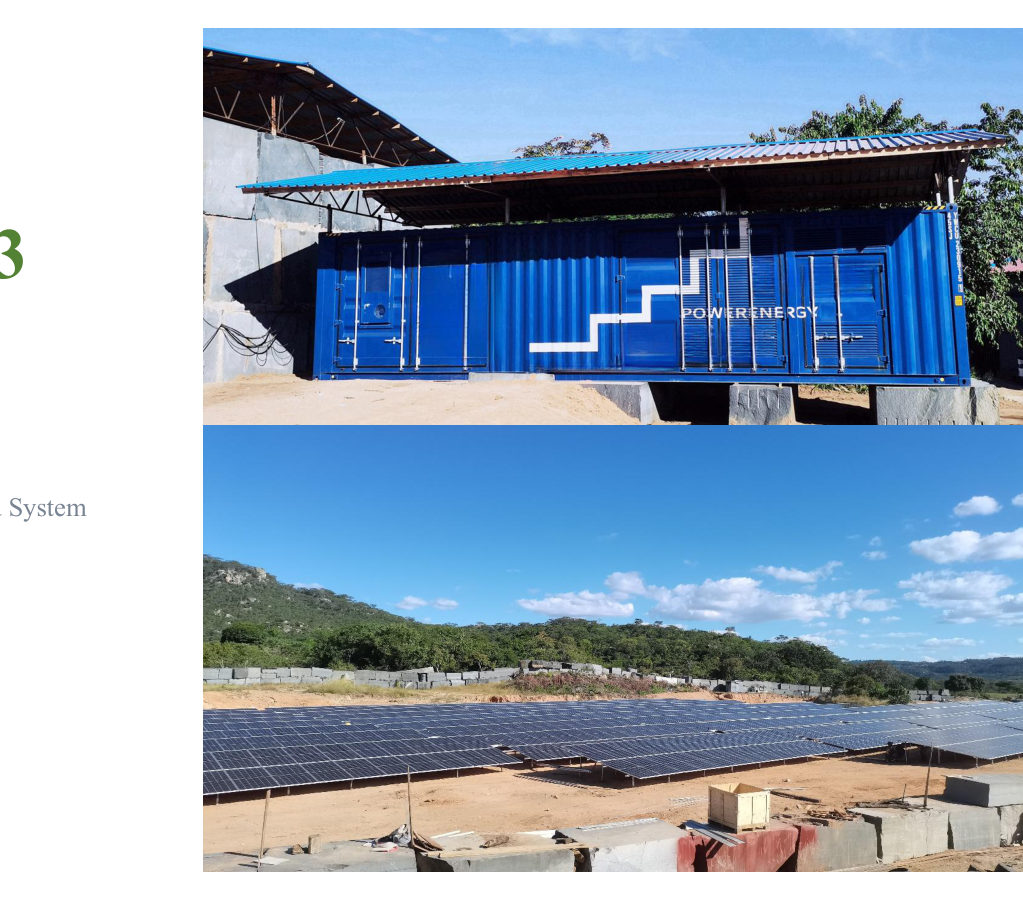
1 MW / 1.29 MWh second deployment
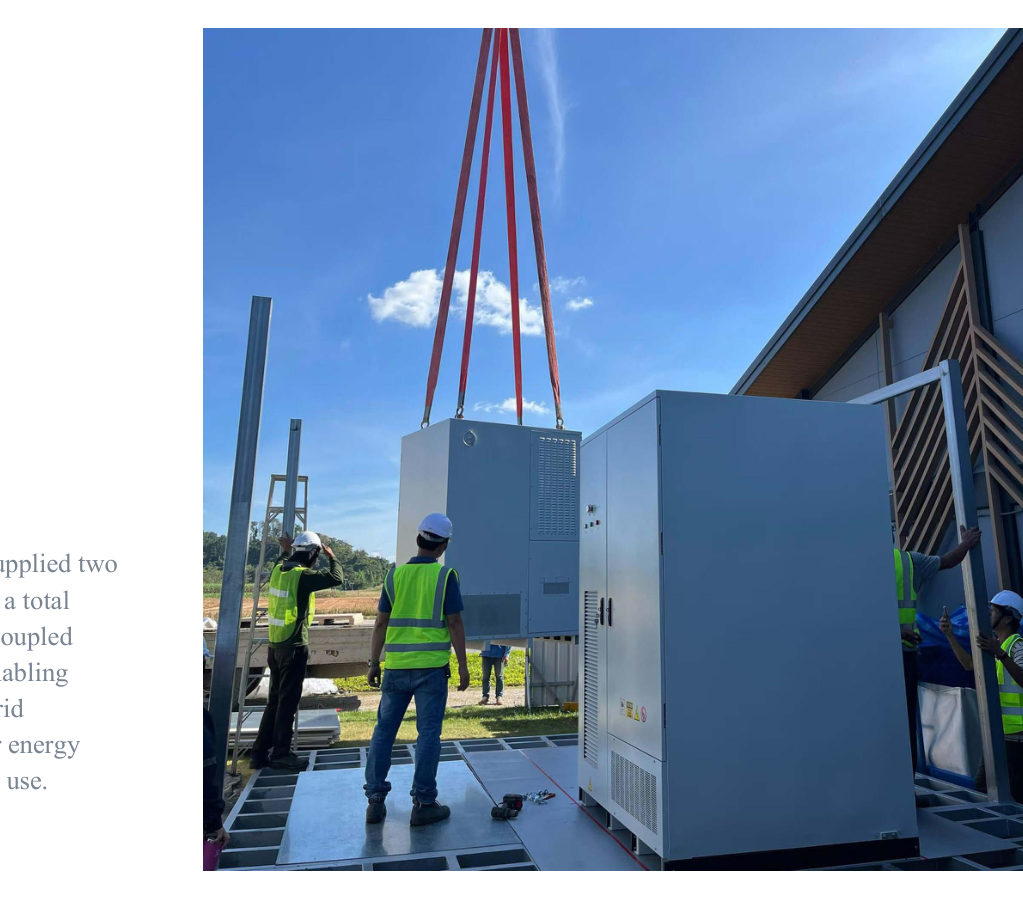
250 kW / 522 kWh, dual-mode operation
Reference-site patterns show hybrid microgrids displacing 50–80% of diesel consumption versus genset-only baselines, with payback commonly inside 3–6 years at remote fuel logistics prices — before counting outage, health and cold-chain benefits. These are industry-wide patterns, not ALEO POWER guarantees — every quotation includes a sized ROI worksheet built from the community load forecast, fuel invoices and solar resource.
Community Microgrid Questions
How is a community microgrid sized?
Can we start with diesel and add solar later?
Who maintains the system after commissioning?
What happens when the community outgrows the system?
How do funders verify the project is performing?
Send us your community load forecast. We'll design the microgrid.
Load estimates, existing generation and site conditions in — a configured PV + BESS + DG microgrid with a sized savings worksheet returns within 1 business day.
Get a Quote — Reply Within 1 Business Day