Power every tower. Visit almost none.
Hybrid PV + BESS + diesel power for off-grid and weak-grid telecom towers — diesel site visits cut to a fraction, lead-acid battery swaps eliminated, silent operation at noise-sensitive urban sites, and typhoon-proven enclosures for exposed locations.
Why Tower Power Costs So Much
Off-grid towers run on diesel and hope — each failure mode below is a line item our reference sites no longer pay:
Remote towers need fuel trucked or flown in at 2–4× pump price. Storage carries night and low-traffic loads so the genset runs only a few full-load hours per week.
Heat kills VRLA batteries long before their rated life. Liquid-cooled LFP delivers ≥ 8,000 cycles at high ambient temperature — battery swaps stop being a recurring site visit.
Overnight gensets at rooftop and compound sites draw complaints and fines. Storage runs silent — reference installs in noise-sensitive Australian and Hong Kong locations replaced overnight gensets entirely.
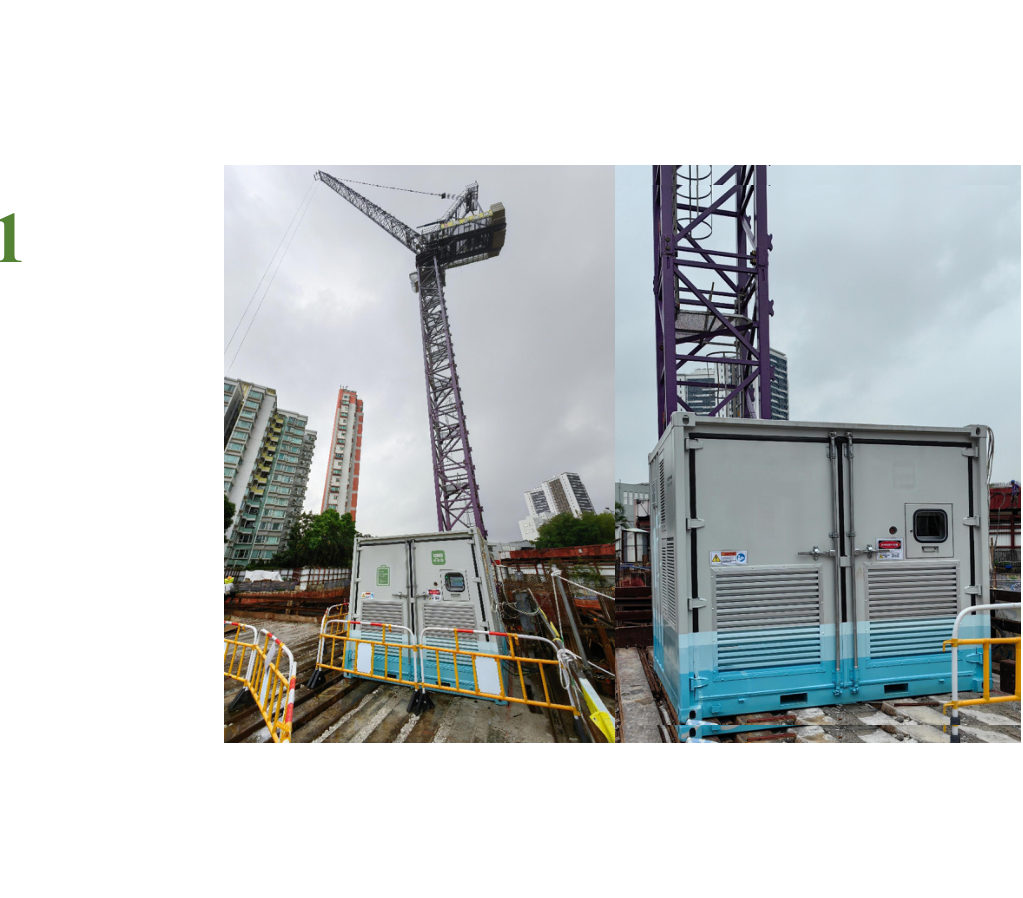
Exposed sites face salt air, driving rain and 40°C+ heat. IP65-sealed, liquid-cooled cabinets are validated in wet Australian and frequent-typhoon Hong Kong conditions.
Towers are unmanned by design. AMS monitors every site 24/7 with >150 diagnosed fault items, alarming your NOC and our engineers before the site goes dark.
Rural coverage often means no grid at all. A PV + BESS + DG microgrid is the primary power plant — modular, so capacity grows with traffic and 5G loads.
Match the Configuration to Site Type
Three catalogue configurations cover tower compounds from a single rural mast to an off-grid telecom hub. String-level and custom designs quoted per site.
| Parameter | Single Tower / Small Compound | Tower Cluster / Urban Compound ★ | Off-Grid Telecom Hub |
|---|---|---|---|
| Recommended system | AP-520/522/523 cabinet | AP-1567 container | AP-2089 / AP-H container |
| Rated energy | 520 – 523 kWh | 1,567 kWh | 2,089 – 3,793.92 kWh |
| Integrated PCS | 125 kW | 750 kW (375 + 375) | 1,000 kW |
| STS transfer | — | 1,200 kW · <10 ms | 1,200 / 1,320 kW · <10 ms |
| Typical duty | 1–3 tower loads + shelter, silent night operation | Urban compound, noise-sensitive, outage ride-through | Hub site microgrid, PV + BESS + DG, 24/7 load |
| Enclosure | IP65 cabinet · outdoor pad | IP65 container · 6058×2438×2896 mm | IP65 container · 20GP (AP-H) |
| All configurations | Liquid-cooled LFP · aerosol + water-spray fire protection · AMS cloud control with >150 fault-diagnosis items · –25 ~ +55 °C · AC-coupled to existing PV and gensets | ||
One Platform, Every Tower Site
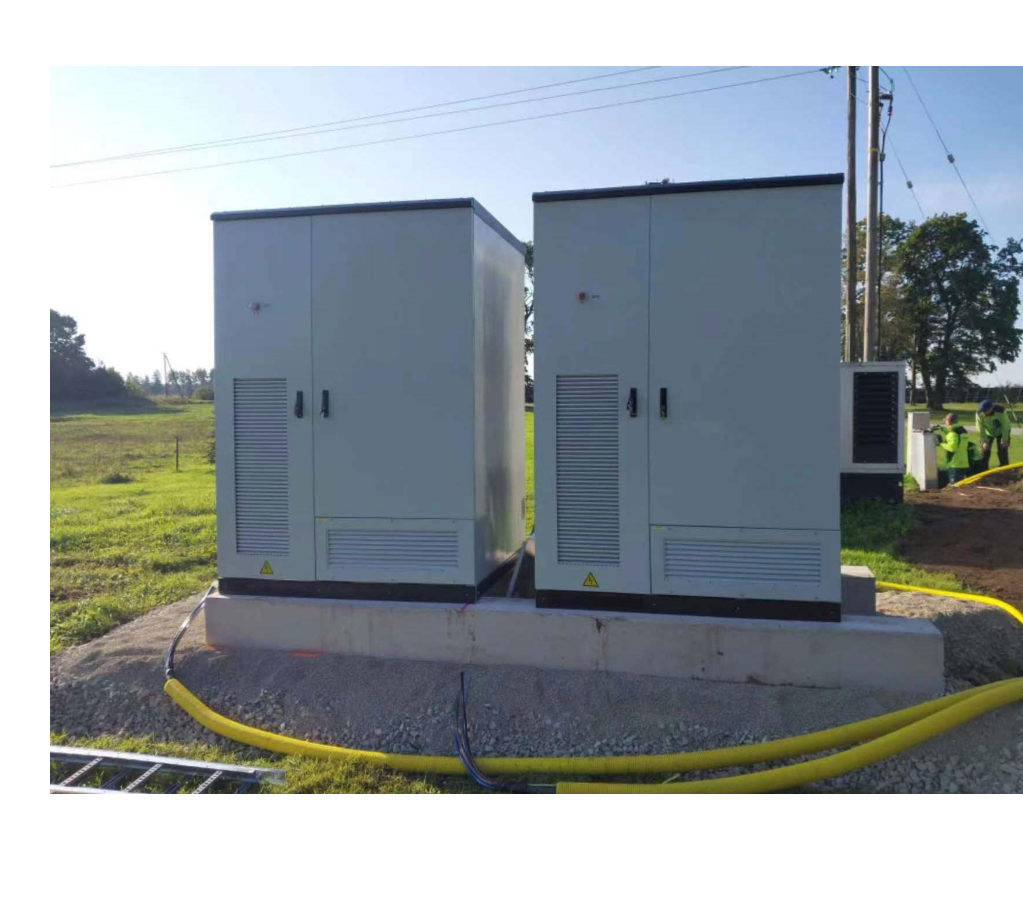
AP-520/522/523 Cabinet
| Rated energy | 520–523 kWh |
| AC power | 125 kW |
| Protection | ≥ IP65 |
| Footprint | 2000×1350 mm pad |
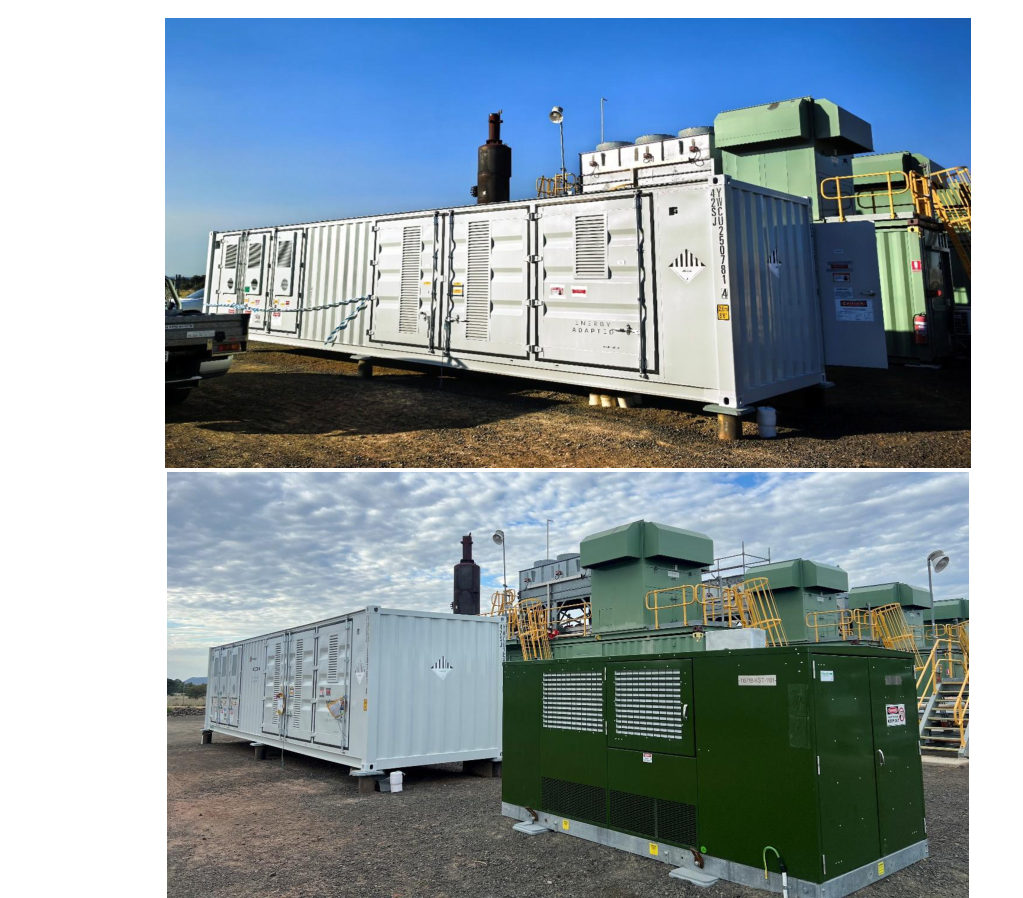
AP-1567 Container
| Rated energy | 1,567 kWh |
| Integrated PCS | 750 kW |
| STS | 1,200 kW · <10 ms |
| Protection | IP65 |
AP-2089 / AP-H Container
| Rated energy | 2,089 / 3,793.92 kWh |
| Integrated PCS | 1,000 kW |
| Form factor | 20 ft / 20GP ISO |
| Cycle life | ≥ 8,000 @ 25 °C |
Proven at Tower and Compound Sites
250 kW / 215 kWh, typhoon zone
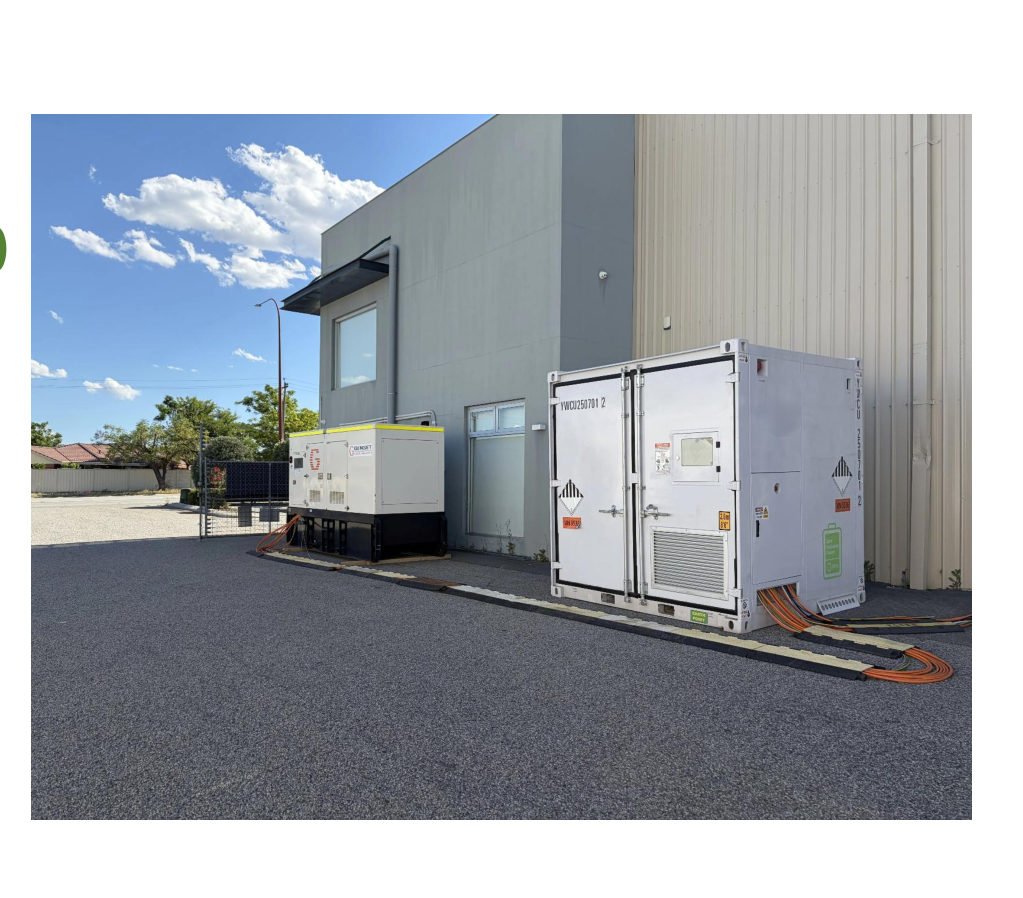
250 kW / 215 kWh, noise sensitive
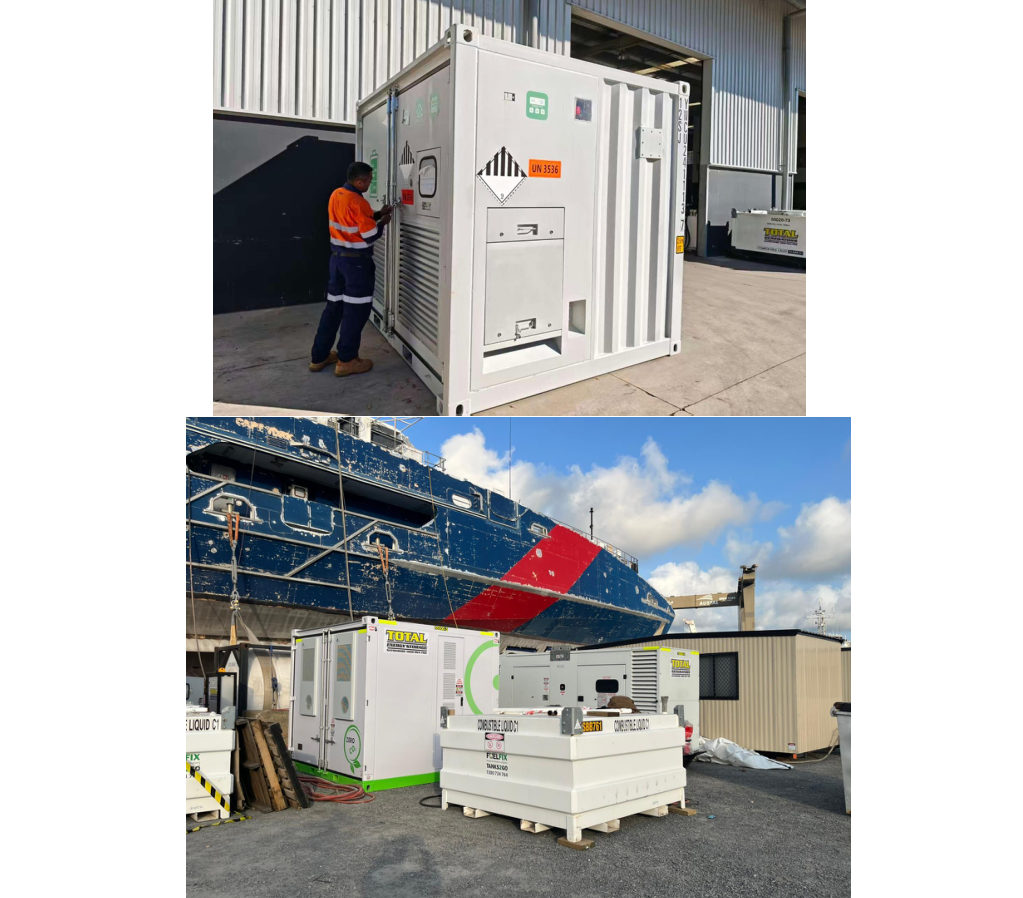
500 kW / 430 kWh, wet environment
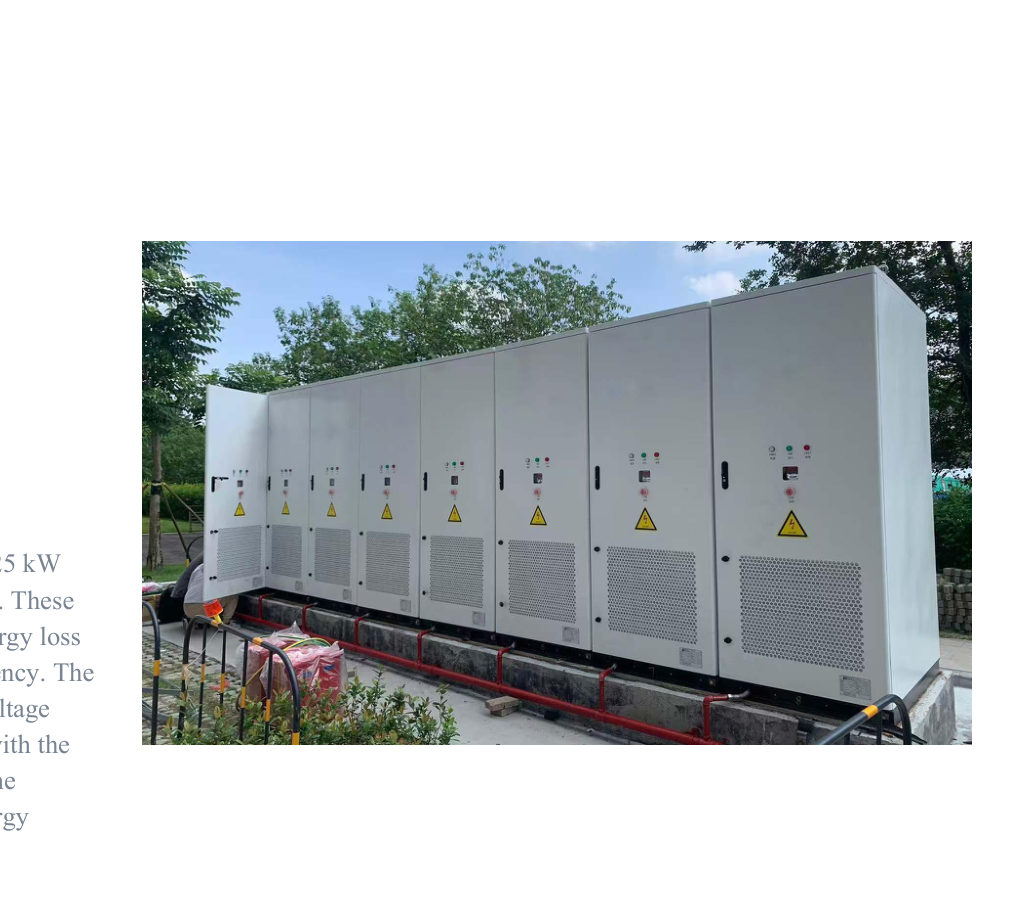
Reference-site patterns show diesel runtime at hybrid tower sites falling 60–80%, with site visits dropping from monthly fuel runs to quarterly maintenance — typically recovering the storage investment inside 2–4 years at remote fuel logistics prices. These are industry-wide patterns, not ALEO POWER guarantees — every quotation includes a sized ROI worksheet built from your load profile, fuel invoices and solar resource.
Telecom Tower Power Questions
How much diesel does a hybrid tower site actually save?
How do batteries survive 40°C+ ambient in outdoor shelters?
Can a rural site run fully off-grid without a genset?
How do we monitor hundreds of dispersed sites?
What about typhoon and storm seasons?
Send us your tower load profile. We'll size the hybrid.
Load data, fuel invoices and site conditions in — a configured PV + BESS + DG system with a sized savings worksheet returns within 1 business day.
Get a Quote — Reply Within 1 Business Day