Tame tariffs and demand charges. Keep the line running.
Peak-shaving and backup storage for factories, business parks and industrial sites — shift consumption to cheap hours, clip demand spikes, ride through outages, and add virtual transformer capacity without waiting years for a grid upgrade.
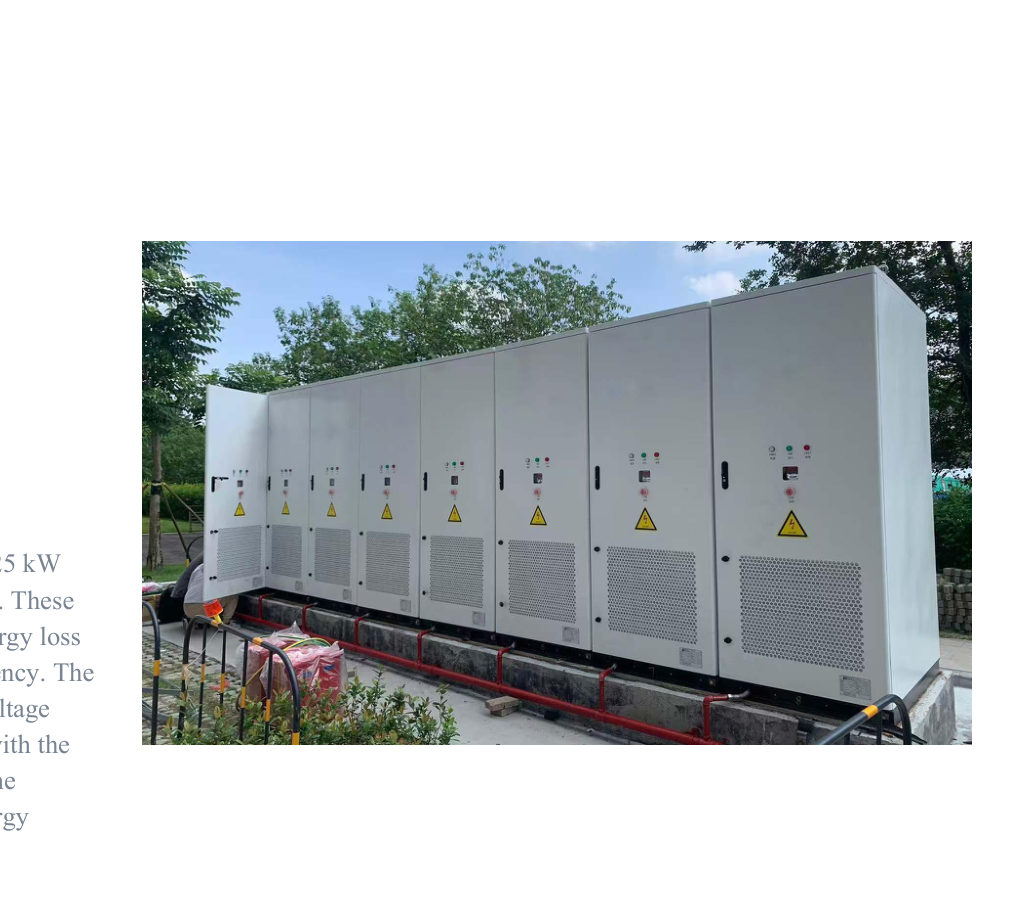
Why Factories Overpay for Power
Tariffs, demand charges and outages punish industrial consumers in predictable ways — storage answers each one directly:
Industrial tariffs rise faster than production margins. Storage charges during cheap valley hours and discharges during peak pricing, cutting the energy component of the bill 20–40% on typical TOU schedules.
A single 15-minute startup peak can fix the month's maximum-demand charge. The PCS clips spikes at the meter, so the billed maximum stays where you decide it stays.
Load shedding and grid faults scrap work-in-progress and stall restart sequences. Storage carries critical loads through outages seamlessly — no generator warm-up, no reset.
Welders, motors and presses drag the bus down. A storage PCS responds in milliseconds with reactive support, stabilising voltage for sensitive machinery.
A bigger grid connection means years of paperwork. Storage works as virtual transformer capacity — peak-shave on-site so production grows before the grid does.
Gensets kept only for outages still burn fuel, oil and service budget. A hybrid BESS carries short outages alone and lets the genset run only for extended events.
Match the Configuration to Site Load
Three catalogue configurations cover most industrial loads — from a single workshop to a multi-tenant industrial park. Custom cluster designs quoted per site.
| Parameter | Workshop & Small Plant | Factory / Business Park ★ | Industrial Park & Large Plant |
|---|---|---|---|
| Recommended system | AP-520/522/523 cabinet | AP-1567 container | AP-2089 / AP-H container |
| Rated energy | 520 – 523 kWh | 1,567 kWh | 2,089 – 3,793.92 kWh |
| Integrated PCS | 125 kW | 750 kW (375 + 375) | 1,000 kW |
| STS transfer | — | 1,200 kW · <10 ms | 1,200 / 1,320 kW · <10 ms |
| Typical duty | Peak shaving + critical-load backup, 300–900 kWh/day | TOU arbitrage + demand clipping, 1–3 MWh/day | Park-level peak management, 3 MWh+/day |
| Enclosure | IP65 cabinet · outdoor pad | IP65 container · 6058×2438×2896 mm | IP65 container · 20GP (AP-H) |
| All configurations | Liquid-cooled LFP · aerosol + water-spray fire protection · AMS cloud control with >150 fault-diagnosis items · –25 ~ +55 °C · AC-coupled to existing PV and gensets | ||
Industrial-Duty Hardware, One Control Core
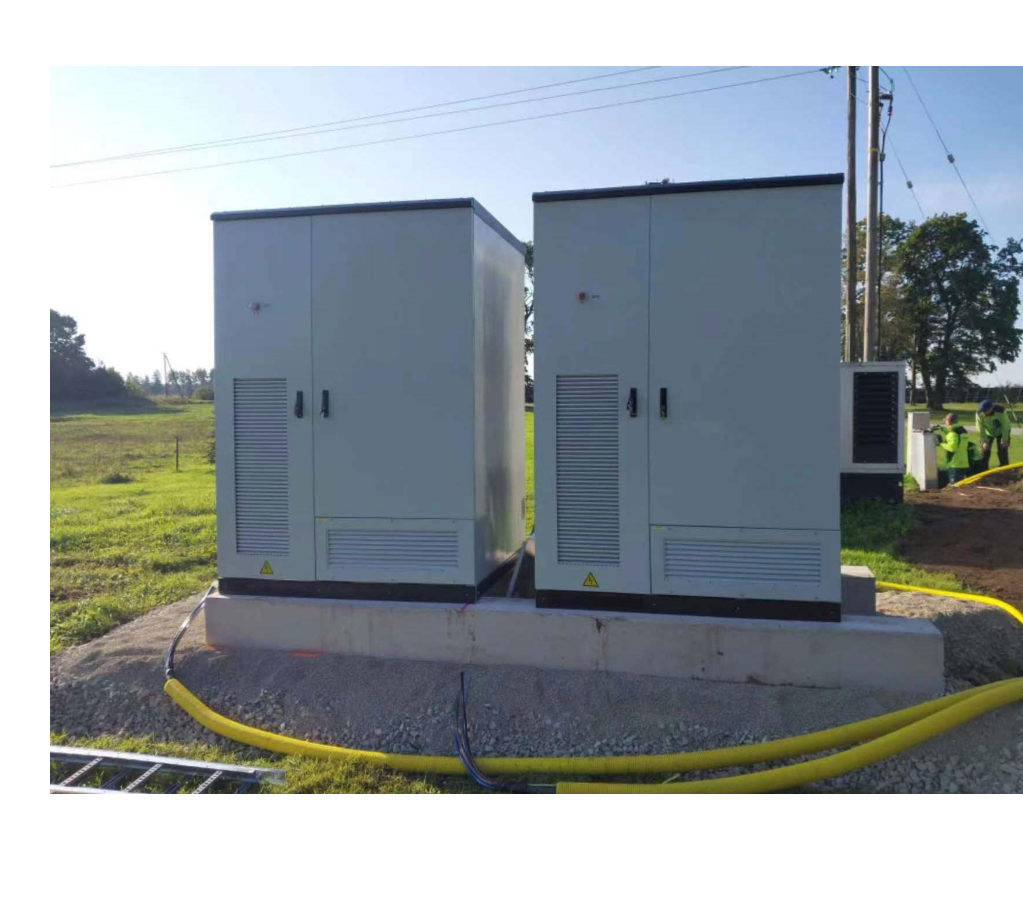
AP-520/522/523 Cabinet
| Rated energy | 520–523 kWh |
| AC power | 125 kW |
| Protection | ≥ IP65 |
| Footprint | 2000×1350 mm pad |
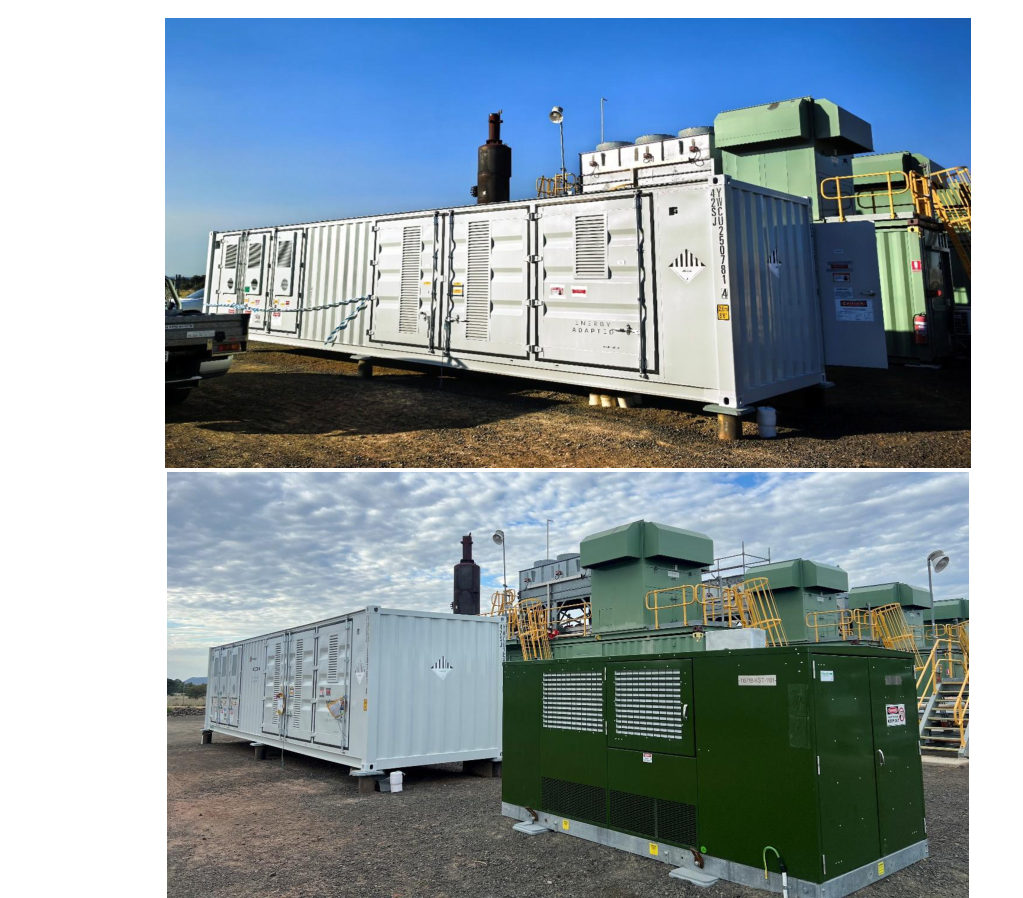
AP-1567 Container
| Rated energy | 1,567 kWh |
| Integrated PCS | 750 kW |
| STS | 1,200 kW · <10 ms |
| Protection | IP65 |
AP-2089 / AP-H Container
| Rated energy | 2,089 / 3,793.92 kWh |
| Integrated PCS | 1,000 kW |
| Form factor | 20 ft / 20GP ISO |
| Cycle life | ≥ 8,000 @ 25 °C |
Storage Working at Industrial Sites
1,000 kW peak-valley leveling
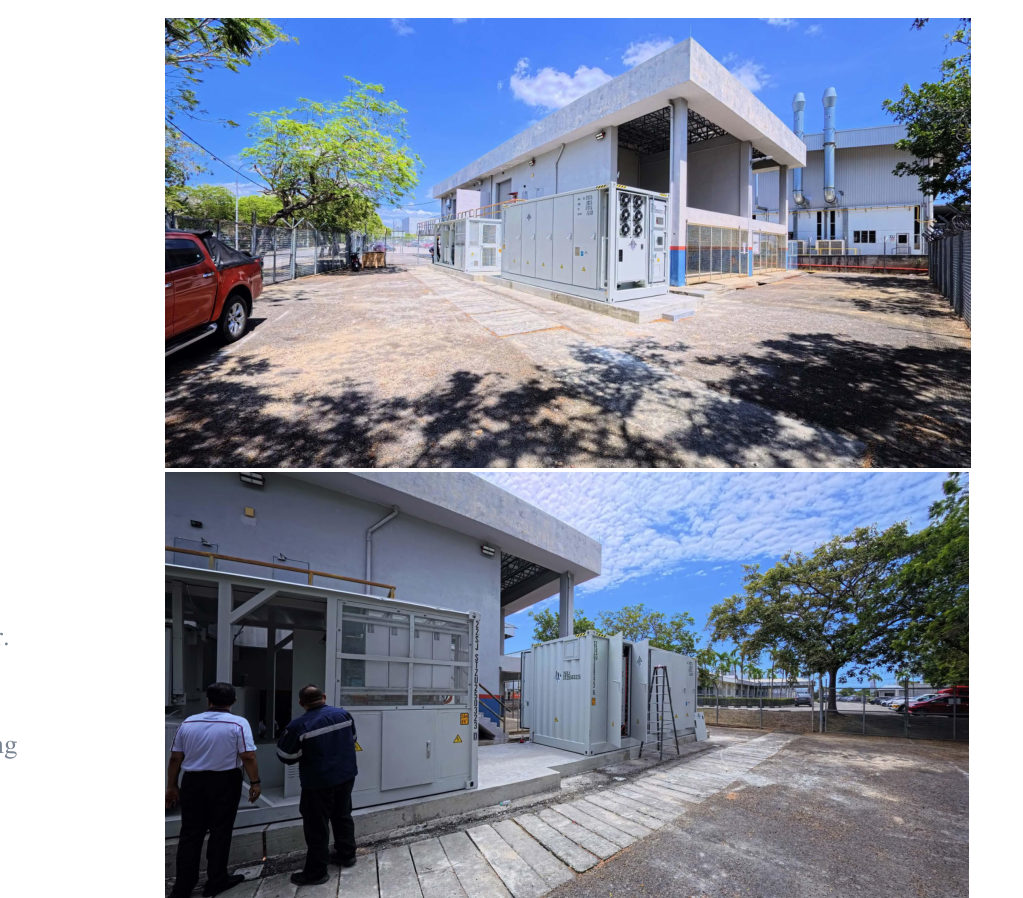
1.5 MW / 2.6 MWh cluster-managed ESS
250 kW / 522 kWh peak shaving
Reference-site patterns show TOU arbitrage and demand clipping cutting the energy-plus-demand component of industrial bills by 20–40%, with payback typically inside 3–6 years on tariff savings alone — shorter where outages and diesel backup are factored in. These are industry-wide patterns, not ALEO POWER guarantees — every quotation includes a sized ROI worksheet built from your interval data, tariff schedule and outage history.
Factory & Industrial Park Questions
How does storage cut our electricity bill?
What happens during load shedding or a grid fault?
Can it work with our existing rooftop solar or diesel gensets?
How is the system sized for our site?
We lease the building — can storage still make sense?
Send us your interval data. We'll size the savings.
12 months of meter data and your tariff schedule in — a configured storage system with a sized savings worksheet returns within 1 business day.
Get a Quote — Reply Within 1 Business Day